
The real differences between 00 flour, all-purpose, and bread flour, when 00 is worth seeking out, and when your pantry staples are just fine.
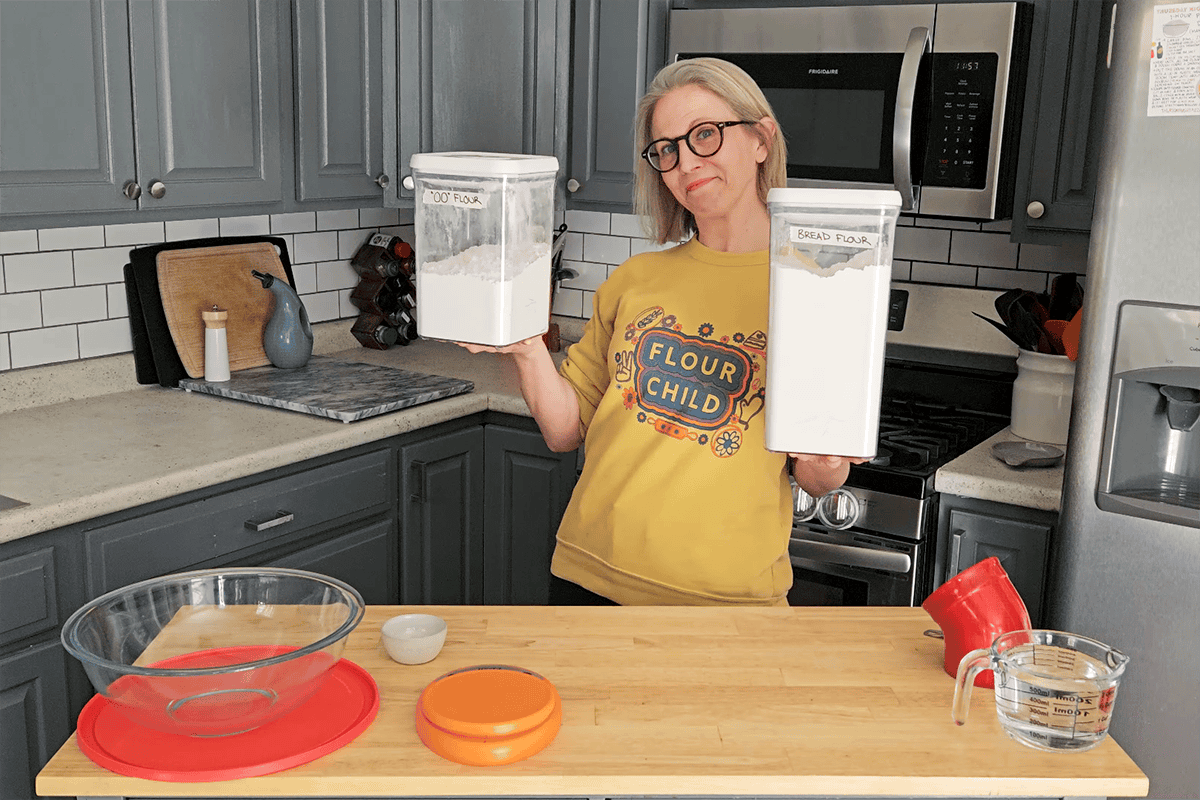
Let me save you a trip to the specialty food store.
You've been reading pizza recipes, or watching pizza videos, or maybe just falling down a Reddit rabbit hole about Neapolitan dough at 11pm (no judgment—I've been there), and somewhere along the way someone said you *need* 00 flour to make real pizza. That without it, your crust won’t billow up and brown around the edges. That the texture won’t be right. That you might as well just order out. Here's my honest take, after more than a decade of weekly pizza making: 00 flour is wonderful, and it has a specific job. But for most home pizza bakers, most of the time, bread flour is the better choice. And I'll tell you why.
What Does "00" Actually Mean?
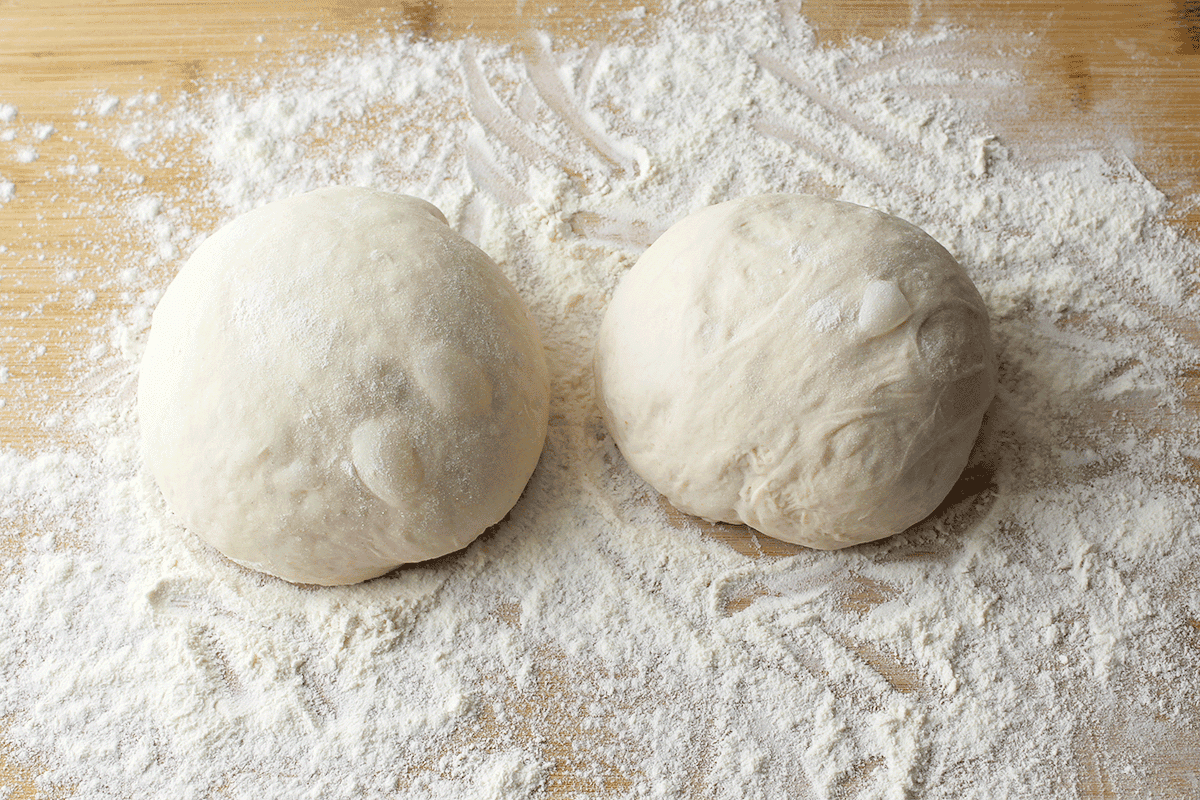
The "00" (double zero or doppio zero in Italian) refers to how finely the flour has been milled—not its protein content or flavor. Italian flour is classified by coarseness on a scale from 00 to 2, with 00 being the most finely ground and 2 being the coarsest.
If you have all three in the pantry, test it for yourself. Put some all-purpose flour, bread flour, and 00 flour in separate ramekins and dip your fingertips into each one. You won’t notice much difference between all-purpose and bread flour (more on that later), but the 00 flour will feel noticeably lighter, softer, more powdery than the other two. But not all 00 flour is the same. Its protein content ranges from 9 to 13%, depending on the brand and purpose, and that can make a big difference in your dough. Protein = gluten = structure and chew. Lower amounts of protein yield looser gluten networks (like those in cakes and pastries), while higher amounts of protein yield more developed gluten networks, resulting in springy breads and those sturdy-yet-pillowy pizza crusts you’re aiming for.
How is 00 flour different from bread flour and all-purpose flour?
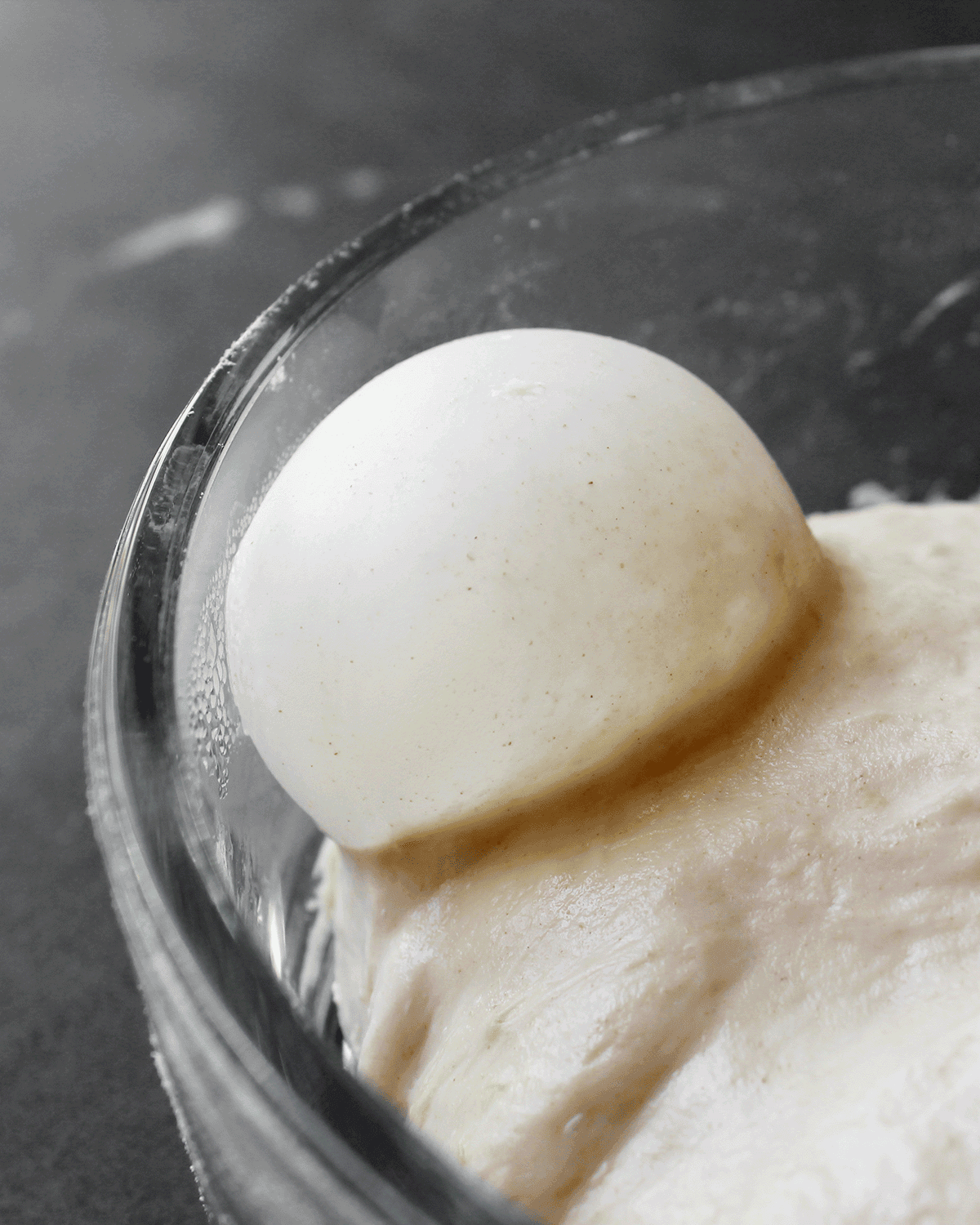
Bread flour (which I use for the majority of my pizza doughs) typically contains 12 to 13% protein. It's coarser than 00 flour, absorbs water enthusiastically, and produces a dough with a sturdy, elastic gluten structure. The result is a crust that's chewy, well-risen, and deeply flavored—especially after a longer ferment.
All-purpose flour (a worthy substitute if you run out of bread flour) contains slightly less protein than bread flour (9 to 12%) and results in doughs that are thinner and a little less structured than those made with bread flour—though I doubt you’d be able to tell the difference in a pinch.
Pizza-grade 00 flour has a similar protein range to both bread and all-purpose flour (12 to 13%), but the finer milling produces a dough that's notably softer and more extensible. It stretches more easily with less spring-back. It browns differently in the oven—faster, with more of that characteristic charring and leopard-spotting you see on Neapolitan pizza. And it results in a tender, more delicate crust with less chew than all-purpose and bread dough creates.
When 00 Flour Is Worth It
Here's where I'll give 00 flour its due.
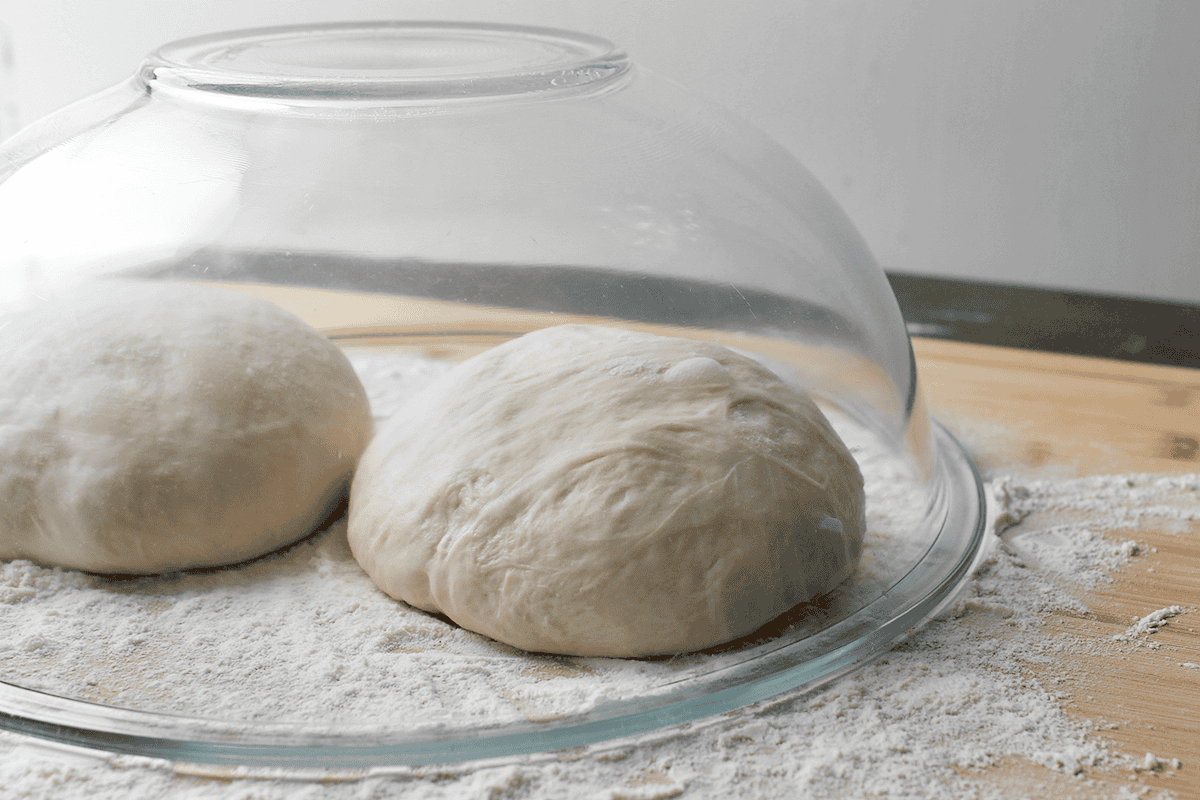
If you're making Neapolitan pizza—the Italian thin-crust, char-spotted, airy-rimmed style meant for high-heat pizza ovens, 00 flour is the traditional choice for good reason. The extensibility of the dough makes it easier to hand-stretch very thin without tearing, which allows the crust to brown on the outside and bake on the inside in a short amount of time. (Crucial when the oven reaches 1,000F!) And if you simply enjoy the process of making Neapolitan-style dough and want to use the O.G. ingredients, go for it. I’ll never fault you for being a purist (just don't be snobby about it).
When Bread Flour (or All-Purpose) Is the Better Call
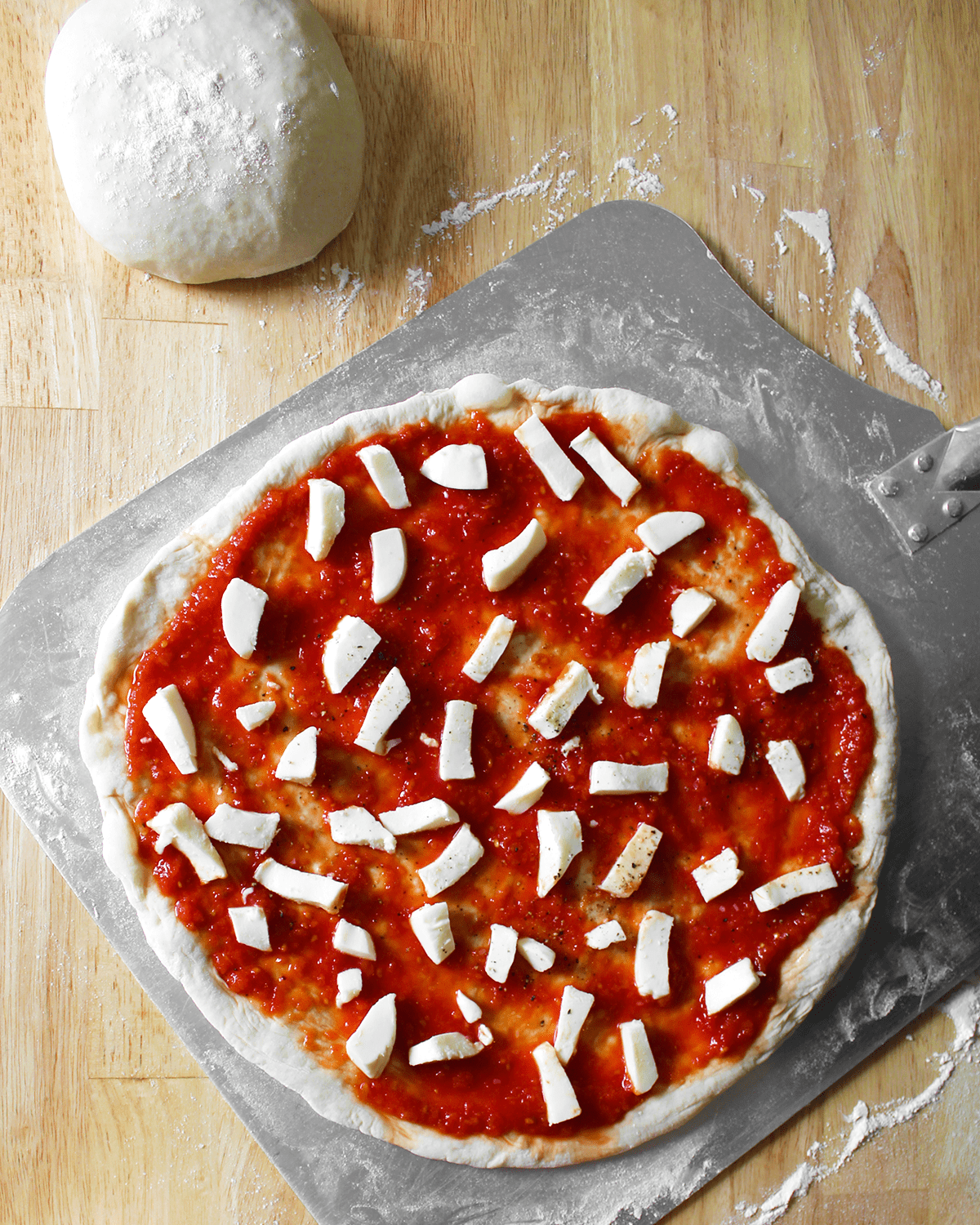
For home oven pizza (which I make most frequently), bread flour is my go-to.
Its higher protein content produces sturdier doughs that can withstand longer baking times at temps between 500°F and 550°F. Plus, unlike 00 flour, bread flour works in just about any pizza dough recipe—from thin, delicate Neapolitan to thick, bready Sicilian—and it's easy to find.
All-purpose flour is also a good choice for home oven pizza dough, though I have found that it makes slightly less puffy crusts.
Can You Substitute One for the Other?
Yes, with some adjustments.
Substituting all-purpose for bread flour: Use the same amount, but know that all-purpose flour has less protein than bread flour and will result in a pizza crust that's a little flatter and slightly less chewy.
Substituting bread flour for 00 flour: If the recipe calls for 00 flour and all you have is bread flour (or all-purpose), use the same amount but let the dough rest for 30 minutes longer at room temperature before stretching.
Substituting 00 flour for bread flour: If the recipe calls for bread flour and you want to play with 00 instead, start with the same measurements, mix the dough, and sprinkle in a little more flour as needed. Bread flour absorbs water more readily than 00 flour does, so you might find 00 flour makes a stickier dough when used in the same proportions.
The Verdict
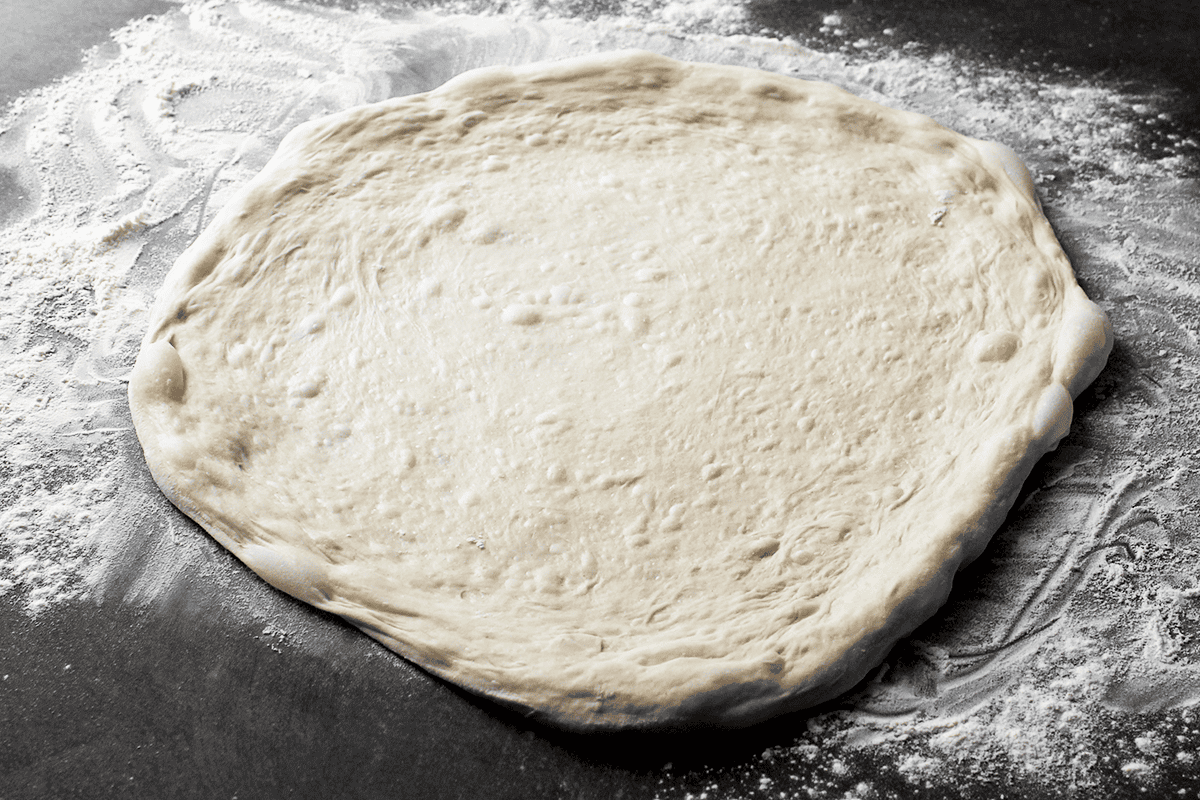
Do you *need* 00 flour for good homemade pizza? No. Bread flour will take you very far—it's my flour of choice for a reason.
Is 00 flour worth trying if you're making Neapolitan-style dough or cooking in a high-heat pizza oven? Absolutely. It's the right tool for that specific job, and it's genuinely pleasurable to work with. The bigger variables in your pizza—fermentation time, oven temperature, how well you've shaped the dough, topping amounts and quality—will matter more than which flour you used. Get those right first1. Then, if you want to geek out on flour, be my guest.
- My newest book, PIZZA RULES: A QUICK-START GUIDE TO MAKING PIZZA AT HOME, includes a whole chapter on toppings—with suggested amounts, dos and don'ts, and handy mix-and-match ingredient charts. ↩︎




Leave a Reply